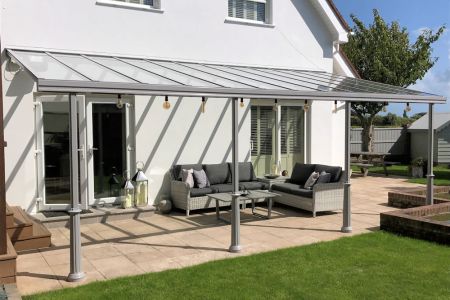
A common question homeowners ask when planning an outdoor cover is Will an Aluminium Canopy Block Light.
Because canopies are typically installed above patio doors, windows, or entrance areas, it’s natural to wonder whether they will reduce daylight entering the home or create unwanted shading outside.
The reassuring answer is that most aluminium canopy systems are specifically designed to balance shelter with brightness.
Slim structural profiles, carefully chosen roof materials, and thoughtful sizing all help maintain comfortable light levels.
To see real installations and how light behaves beneath them, you can browse the Gallery or visit the Showroom.
Understanding How Aluminium Canopies Affect Light
To answer the question Will an Aluminium Canopy Block Light, it helps to understand that light transmission depends on several factors rather than the canopy frame alone. These include roof material, canopy projection, orientation of the property, and surrounding structures.
Aluminium frames themselves are typically slim and unobtrusive, meaning they rarely create significant shading. Instead, the roof choice and design layout have the greatest influence on light levels. If you’d like quick answers to common design questions, the FAQs page is a useful starting point.
1) The Impact of Roof Material on Light Transmission
The most important factor when considering Will an Aluminium Canopy Block Light is the roofing material used. Aluminium canopies commonly feature either glass or polycarbonate roofs, each with different light characteristics.
Glass Roofing and Light
Glass is widely chosen when maintaining indoor brightness is a priority. It allows a high level of natural light to pass through, helping adjacent rooms remain bright while still providing weather protection.
- High light transmission levels
- Clear, open visual appearance
- Minimal impact on interior brightness
- Ideal above bifold or sliding doors
Polycarbonate Roofing and Light
Polycarbonate roofs still allow light through but typically diffuse it, creating softer lighting conditions beneath the canopy. This can be beneficial in bright, south-facing locations where glare may otherwise be uncomfortable.
- Reduced glare and softer daylight
- Comfortable shaded seating areas
- Practical option for sunny patios
- Maintains usable outdoor brightness
If you want to compare these materials directly, visiting the Showroom can help you visualise differences in light transmission.
2) Why Aluminium Frames Rarely Block Significant Light
Another aspect of Will an Aluminium Canopy Block Light relates to the frame design. Aluminium is strong enough to be manufactured into slim profiles, which means structural components occupy minimal visual space.
- Slim beams allow light to pass between structural elements
- Reduced visual bulk compared with timber or steel frames
- Clean lines maintain an open, modern appearance
- Less shadowing across windows and doors
This combination of strength and slim design is a key reason aluminium is widely preferred for contemporary canopy systems.
3) Orientation of Your Home Matters
The direction your property faces can significantly influence perceived brightness beneath a canopy. When assessing Will an Aluminium Canopy Block Light, orientation should always be considered.
- North-facing spaces: often benefit from glass roofing to maximise available light.
- South-facing spaces: may benefit from polycarbonate to soften strong sunlight.
- East-facing spaces: experience brighter mornings with more shaded afternoons.
- West-facing spaces: receive strong evening sunlight that may benefit from glare control.
Understanding orientation helps ensure your canopy improves comfort without reducing natural brightness unnecessarily.
4) Canopy Size and Projection Influence Shading
The size of the canopy also affects light behaviour. Larger projections provide more coverage but naturally create greater shaded areas. However, this shading is often desirable for comfort, particularly during summer months.
When considering Will an Aluminium Canopy Block Light, it’s helpful to view shading as a design tool rather than a drawback. The right projection can balance interior brightness with outdoor comfort.
Viewing completed installations in the Gallery can provide helpful perspective on canopy proportions.
5) How Aluminium Canopies Can Improve Light Comfort
Interestingly, aluminium canopies can sometimes improve perceived comfort by moderating direct sunlight. Rather than blocking light entirely, they can reduce harsh glare while maintaining ambient brightness.
- Creates usable outdoor shade on sunny days
- Reduces overheating near glazed doors
- Softens light levels for dining and relaxation areas
- Supports balanced indoor–outdoor lighting conditions
This balance of shelter and brightness is a key advantage of well-designed aluminium canopy systems.
6) Design Tips to Maximise Light Under a Canopy
If maintaining brightness is a priority, several design strategies can help address concerns around Will an Aluminium Canopy Block Light.
- Choose glass roofing where maximum light is desired
- Opt for lighter polycarbonate tints if using diffused roofing
- Align canopy width with openings rather than extending excessively
- Consider partial coverage designs for multi-zone patios
- Keep surrounding landscaping low where light access is important
For personalised guidance on sizing and configuration, you can review the Ordering process.
7) Viewing Real Installations to Understand Light Levels
Photographs and showroom displays are often the most effective way to understand how aluminium canopies influence light. Seeing real projects allows homeowners to visualise brightness, shading patterns, and roof material effects.
To gather inspiration, explore the Gallery and visit the Showroom if possible.
8) Long-Term Confidence and Product Quality
While light transmission is an important consideration, overall canopy performance also matters. Aluminium systems are designed to provide reliable structural support while maintaining visual openness.
Quality manufacturing and installation contribute to consistent performance over time. Coverage information can be reviewed on the 10 Year Guarantee page.